Technical skill gets a plane off the ground, but managing cultural gaps is what keeps global operations safe. Breaking down how Cultural Intelligence (CQ) is transforming daily work across the entire aviation industry, from the cockpit to the customer service counter.
Navigating IROPS
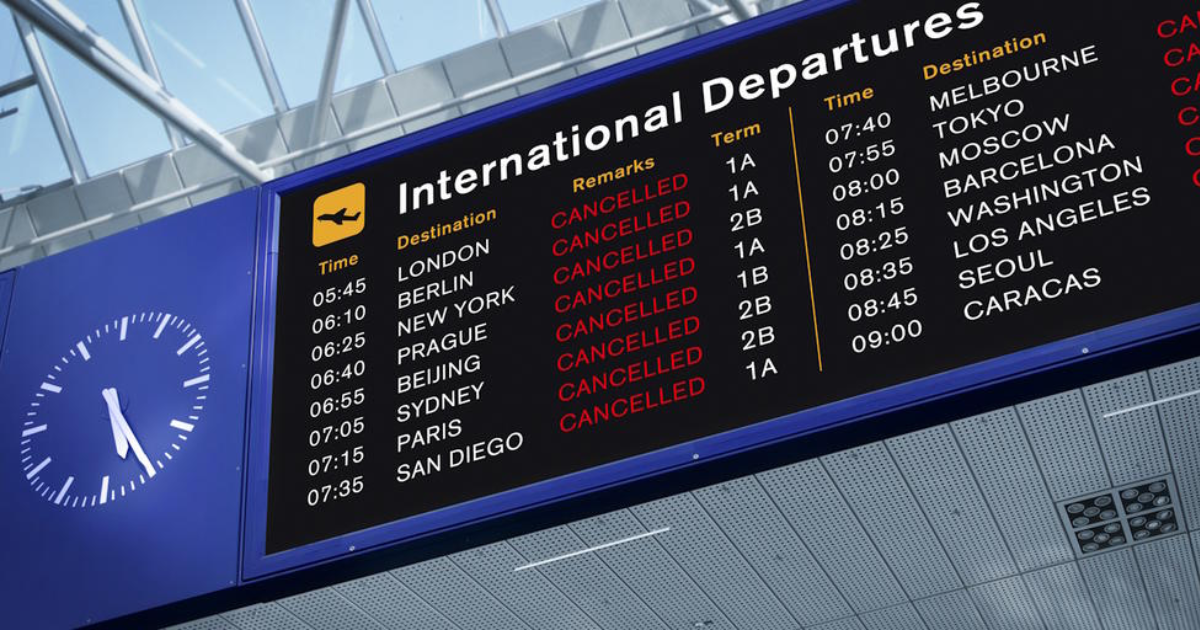
During Irregular Operations – such as severe weather diversions, technical ground delays, or missed connections – passenger anxiety spikes significantly across global terminals. In these high-stress moments, standard customer service scripts often fail when they do not account for cross-cultural stress responses. When travelers experience intense panic or frustration, their reliance on native cultural norms intensifies automatically. High-context travelers may view a rigid, scripted refusal as cold or disrespectful, expecting personalized empathy and relational reassurances instead. Conversely, low-context travelers demand immediate, transparent data, precise timelines, and clear action steps, often viewing vague statements of comfort as evasive or unprofessional.
De-escalating tension
Front-line ground agents and cabin crews equipped with high Cultural Intelligence adjust their crisis communication frameworks using specific tactical approaches under pressure. A primary strategy involves calibrating directness by balancing formal empathy with immediate operational facts. For passengers originating from high power-distance cultures, involving a senior station supervisor early in the dialogue signals respect and high concern, which rapidly de-escalates emerging hostility. In chaotic terminal environments where verbal communication breaks down, staff overcome linguistic barriers by utilizing standardized visual infographics, simplified non-idiomatic phrasing, and neutral gestures. Furthermore, when dealing with collectivist groups where distress manifests through collective questioning, high-CQ agents respond by addressing group leaders directly, restoring order and communicating updates efficiently.
Systemic integration
To ensure operational consistency during flight disruptions, international airlines are integrating CQ dimensions directly into their Emergency Response Plans and Disruption Management Protocols. Stations at global hubs are increasingly equipped with route-specific disruption toolkits that provide localized cultural guidance on communication preferences during prolonged delays. Additionally, airlines are embedding real-time metacognitive auditing into supervisor workflows across international stations. Duty managers are trained to observe live passenger-agent interactions during disruptions, stepping in to shift the communication approach whenever an agent’s strategy stalls due to cultural misalignment.
During operational crises, technical efficiency is only half the solution. By integrating Cultural Intelligence into disruption management protocols, airlines ensure that crisis communication is not only fast and accurate, but also culturally adaptive – protecting passenger safety and preserving brand reputation under extreme conditions.