Technical skill gets a plane off the ground, but managing cultural gaps is what keeps global operations safe. Breaking down how Cultural Intelligence (CQ) is transforming daily work across the entire aviation industry, from the cockpit to the customer service counter.
Invisible friction in multi-crew cockpits
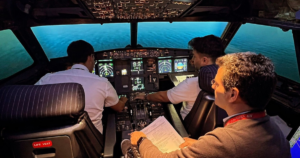
Imagine a flight deck where a seasoned captain from Western Europe and a newly minted first officer from East Asia are handling an emergency. Technically, both know the checklists inside out. However, invisible cultural habits, like how different societies view authority, can quietly disrupt their teamwork. In high pressure situations, a junior officer from a culture that deeply respects hierarchy might hesitate to directly correct a captain’s mistake, choosing to drop subtle hints instead.
Cultural Intelligence (CQ) is the skill that allows pilots to recognize these communication gaps and establish an environment where safety-critical feedback is spoken clearly, instantly, and without hesitation.
Air traffic control meets global accents
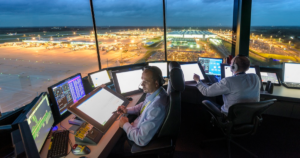
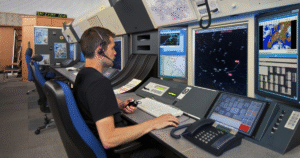
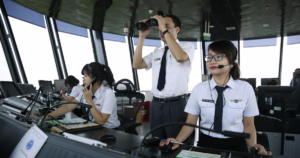
The challenge moves directly into the airspace control rooms, where split-second decisions leave zero room for error. Air traffic controllers regularly guide pilots from dozens of different nationalities through crowded corridors. Even though aviation English is the global standard, native speech patterns, speed, and cultural phrasing heavily influence how messages are sent and received. A highly culturally intelligent controller understands how to adjust their communication rhythm, clarify intents actively, and accurately read the underlying stress levels of international crews, keeping the sky organized and secure.
High-stakes customer service matrix
Down on the ground, airport operations and cabin crews serve as the direct frontline for a massive puzzle of global travelers. When flight delays or cancellations hit a busy international terminal, a standard, one-size-fits-all customer service response can easily backfire. What feels like a polite, professional boundary to an employee from one culture might come across as cold or deeply disrespectful to a passenger from another. Ground staff and flight attendants with sharp cultural agility can read these subtle body language cues, adjust their problem-solving approach on the fly, and successfully de-escalate high-stress situations before they boil over.
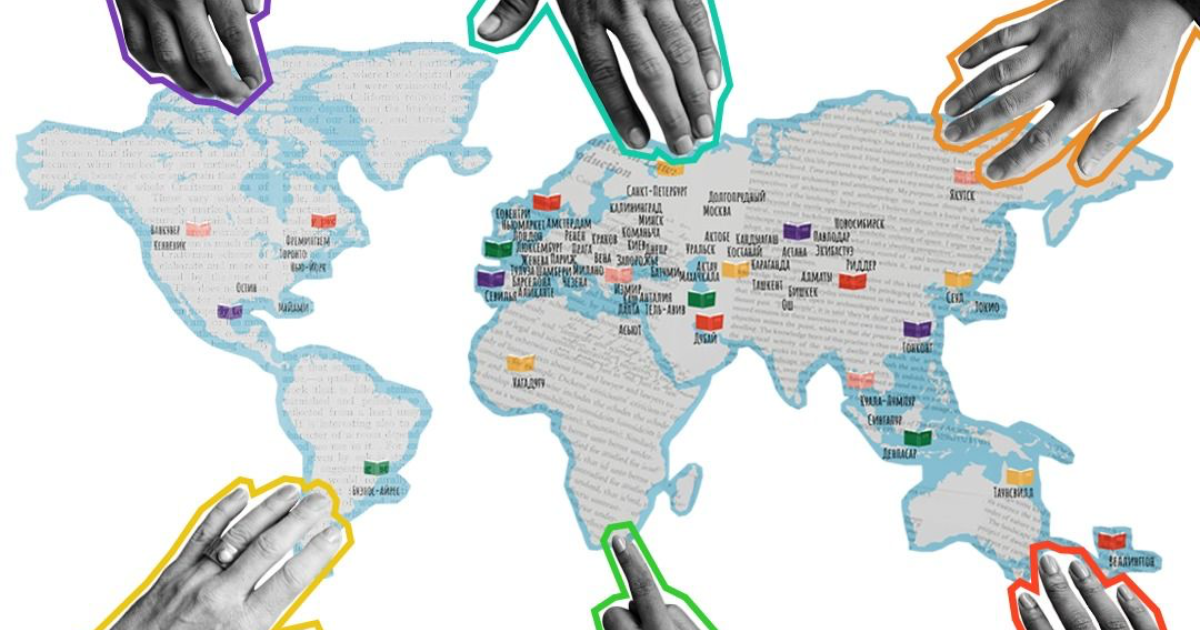
As aviation systems become completely interconnected across borders, the industry is shifting its focus toward these human elements. Technical excellence is simply the baseline requirement; the true competitive edge lies in human adaptability. Developing a strong cultural mindset early transforms how professionals collaborate, solve problems, and manage stress across every single sector of the industry. By turning cultural awareness into a core personal asset, next-generation aviation professionals ensure that international travel remains smooth, efficient, and fundamentally safe.